
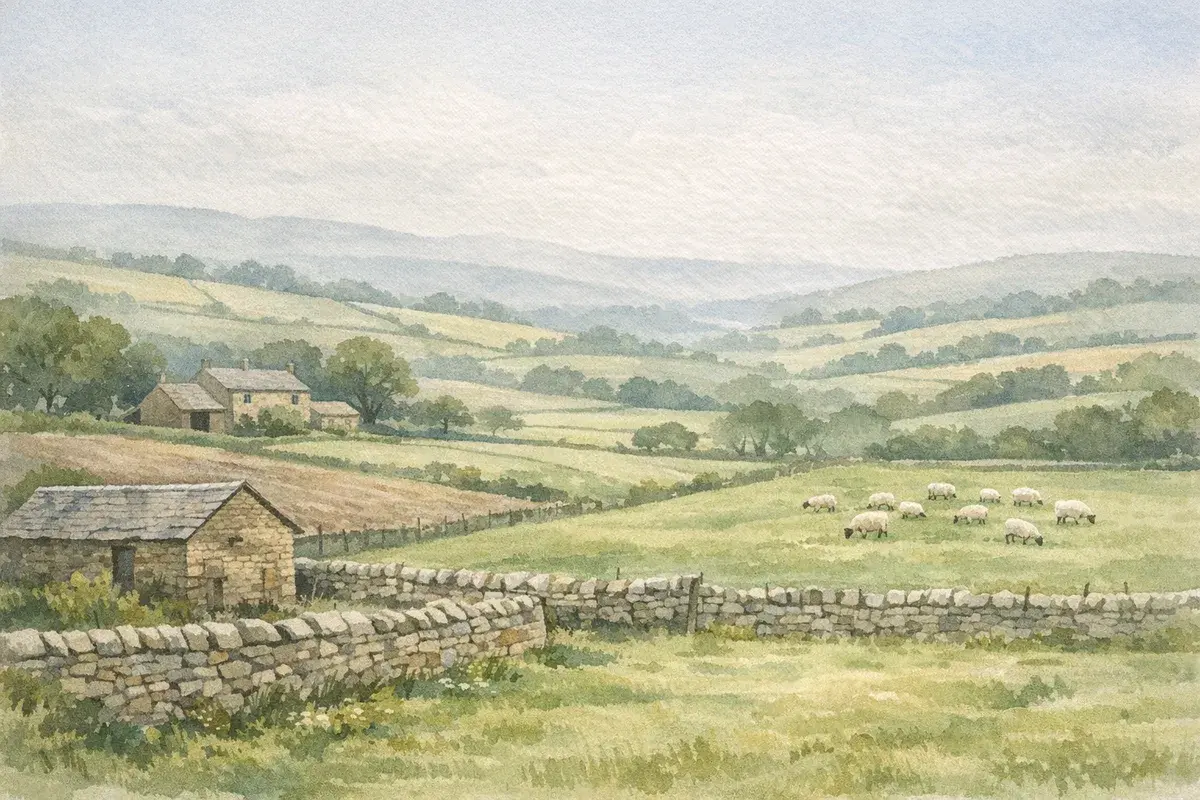
You've found a field that looks perfect on paper: decent acreage, the right location, and (crucially) a price that doesn't make your eyes water. Then the agent drops the line: "No planning permission."
For UK buyers, that phrase can mean anything from "perfectly normal farmland that's never needed consent" to "a site with constraints you'll be living with for years". The difference matters, because once you own the land, you also inherit its restrictions, liabilities, access quirks, neighbour politics, and the very British reality of planning policy.
This guide cuts through the confusion. You'll get a practical, UK-only framework for assessing agricultural land without planning permission, what it can be used for today, what it might become in future, and the checks you really don't want to leave until after you've exchanged contracts.
What “Without Planning Permission” Really Means In Rural Property
In UK rural property, "without planning permission" doesn't automatically mean "you can't do anything". It usually means the land doesn't currently benefit from a specific consent for development or for a material change of use beyond its existing lawful use.
Land Use Classes And The Baseline Lawful Use
Most agricultural land is already in a lawful use: agriculture. That includes arable, grazing, horticulture, and other agricultural operations. If you buy a bare field, it's typically the baseline position, no special permission needed to keep farming it.
Where buyers get caught out is assuming that because land is "rural", it's flexible. In planning terms, moving from agriculture to something else can be a material change of use, and that's where consent can bite.
A few examples that commonly trigger planning involvement:
- Using a field as a commercial storage yard (containers, plant, vehicles) rather than agriculture.
- Intensive equestrian use (menage, lighting, hardstanding, traffic) rather than incidental private grazing.
- Setting up a business unit, workshop, or regular deliveries that change the character of the site.
If you want a deeper run-through of what tends to be allowed (and what usually isn't), the most useful starting point is AgLand's guide to what you can build or do without full permission.
Permitted Development Rights Vs Full Planning Consent
A lot of "no planning" conversations are really about permitted development rights (PDR), particularly agricultural PDR under the General Permitted Development Order.
PDR can allow certain types of development (subject to conditions and, in many cases, prior notification) without a full planning application. But it's not a free-for-all:
- PDR can be restricted by designations (more on those later).
- You still have to meet criteria like unit size and genuine agricultural need.
- Some development, especially anything that looks residential, remains firmly in "full planning" territory.
If your plan depends on PDR, treat it like a compliance exercise, not a workaround.
Agricultural Occupancy Conditions, Covenants, And Overage
"No planning permission" is sometimes the least of it. The deal may come with private and historic constraints that affect value and future options:
- Agricultural occupancy conditions (AOCs) attached to a farmhouse or bungalow, limiting who can live there.
- Restrictive covenants in the title (for example, no buildings, no business use, limits on keeping livestock, or limits on nuisance).
- Overage / uplift clauses, where you pay the seller extra if you secure planning permission later.
None of these are inherently "bad", but they are price-defining. If you're buying with any future development aspiration, you need to read the small print like your deposit depends on it (because it does).
Why People Buy Land Pre-Planning (And The Trade-Offs)
Buying agricultural land without planning permission is common in the UK. In fact, it's often the default for straightforward farmland purchases. The "trade-off" question is really about what you're trying to achieve.
Price, Competition, And Long-Term Optionality
Land without consent can be cheaper than land with a clear alternative use, particularly near settlements. It can also mean:
- less competition from buyers who only want "development-ready" sites:
- more scope to shape a strategy over time (policy changes, local plan reviews, infrastructure upgrades).
But optionality is not the same as probability. Your future upside might be real, or it might be a decade of consultants' invoices and planning refusals.
If you're approaching this as a strategic acquisition (not just a farming purchase), it's worth reading AgLand's perspective on buying agricultural land as an investment, because the risk profile is very different when your return relies on policy rather than productivity.
Income Potential From Farming, Grazing, Or Lettings
The good news? Agricultural land can generate income without any "planning story" at all.
Depending on the site, you might look at:
- grazing licences (often used for horses or livestock, structure carefully):
- contract farming arrangements or share farming (professional advice strongly recommended):
- short-term lettings of buildings (if you have them) where the use remains lawful:
- environmental and land management opportunities (scheme rules change, check current guidance).
The key is alignment: the income use must match the lawful use and any title restrictions.
The Planning-Uplift Temptation And Its Risks
Everyone has heard the pub story: "Bought a few acres, got planning, retired early." It happens, just not on a schedule you can bank on.
Main risks to price in from day one:
- Policy risk: local plan allocations, settlement boundaries, and housing land supply can change.
- Technical constraints: access visibility, ecology, heritage, flood risk, nutrient neutrality in affected catchments.
- Neighbour and political risk: objections, committee decisions, and appeal timelines.
- Enforcement risk: trying to "start the use" without consent can backfire and poison a future application.
If your numbers only work with planning uplift, be honest with yourself: you're not buying "land", you're buying a planning bet. Structure the deal accordingly (we'll get to options and conditionals later).
Due Diligence Before You Exchange: The Non-Negotiables
If you only take one thing from this guide, make it this: rural due diligence is about what you can't see on the viewing day.
This is where buyers burn money, assuming "it's just a field" and skipping the boring checks.
For a more comprehensive buying checklist (including the sequencing of searches and professional inputs), it's worth keeping AgLand's step-by-step buying process open while you work through the details.
Title, Boundaries, Rights Of Way, And Easements
Start with the title and plan. Then assume the plan is not the whole story.
You want your solicitor to confirm:
- exact extent and whether boundaries match physical features (hedges, fences, ditches):
- any easements benefiting others (rights to pass, rights to lay/maintain services):
- any restrictive covenants limiting buildings, use, or activities:
- whether the land is subject to a tenancy, grazing agreement, or informal occupation.
Pay special attention to rights of way. A public footpath cutting across the "perfect" corner of a field may be manageable for farming, but it can be a deal-breaker for privacy, biosecurity, or future development layouts.
Access, Highways Visibility, And Ransom Strips
In UK planning and valuation, access can be everything.
Check:
- Is access legal (not just "we've always used it")?
- Is it wide enough and suitable for the vehicles you'll use?
- Are visibility splays likely to meet local highway standards?
- Is there a ransom strip, a thin sliver of land at the boundary owned by someone else that prevents you legally connecting to the road?
If you can't lawfully and safely access the land, its value is not what the brochure says.
Utilities, Drainage, Water, And Wayleaves
Even if you're not building, services and drainage still matter.
Look for:
- water supply (mains, borehole licences/abstraction considerations, troughs):
- existing field drainage condition and outfalls (blocked systems can quietly destroy productivity):
- overhead lines, buried pipes, and telecoms apparatus with wayleaves or easements:
- ditches and watercourses with maintenance responsibilities.
Practical tip: walk the field edges, not just the "nice" centre. The problems live on the margins, collapsed outfalls, fly-tipping hotspots, and those mysterious manhole covers no one mentioned.
Environmental Designations, Restrictions, And Liabilities
A field can look simple and still be wrapped in designations and liabilities that shape what you can do for years.
If you're buying in England specifically, AgLand's practical guide to agricultural land in England is a helpful companion, particularly on management and planning risk.
Green Belt, AONB, SSSI, And Conservation Constraints
Some constraints are obvious on a map: others emerge in the small print.
Common UK designations that affect development prospects:
- Green Belt (strong presumption against inappropriate development: "very special circumstances" tests apply).
- AONB / National Landscapes (higher bar on landscape impact: not a total ban, but scrutiny is real).
- SSSI (you may need consents for operations: ecological impacts can be a hard stop).
- Conservation Areas and listed buildings nearby (even if your land isn't listed, setting and heritage impacts can matter).
None of these automatically mean "don't buy". They do mean you should price in more constraints, more reports, and longer timelines.
Flood Risk, Peat, Contamination, And Invasive Species
Flood risk isn't just about housebuilding. It affects:
- where you can place buildings under PDR:
- insurability and lender appetite:
- soil workability and cropping flexibility.
Also consider:
- peat soils (management restrictions and reputational/compliance considerations):
- historic land uses (filled ponds, former tips, old fuel tanks):
- Japanese knotweed and other invasive species, expensive, slow, and often underestimated.
Public Rights, Commons, Sporting Rights, And Mineral Rights
Rural title can include rights that surprise first-time buyers:
- common land and village green status (very restrictive: check carefully).
- sporting rights reserved to a third party (shooting/hunting rights can affect how you use and enjoy the land).
- mineral rights (often reserved: usually not an issue day-to-day, but relevant for long-term value and negotiations).
If you're planning to change use later, anything that brings public access, ecological sensitivity, or third-party rights into play can complicate the strategy fast.
Planning Reality Check: What You Can Usually Do Without Consent
This is the bit everyone wants: "What can I do without planning?" The answer is: quite a lot, sometimes, if you stay squarely within agricultural use and comply with the rules.
For a broader explanation of where the lines tend to be drawn, AgLand's overview of planning permission on agricultural land is a useful reference point.
Agricultural Buildings And Tracks Under Part 6 (When They Apply)
In England (and with differences across the UK), Part 6 agricultural PDR can allow certain buildings and private ways for agricultural purposes, often subject to prior notification and limitations.
In practice, you'll need to think about:
- the size of your agricultural unit and whether you meet eligibility thresholds:
- siting (proximity to roads, neighbouring houses, and sensitive landscapes):
- whether the proposal is genuinely reasonably necessary for agriculture.
Prior notification is not a rubber stamp. Councils can consider transport/highways, design, siting, and external appearance, and ask for more information.
Temporary Uses And Campsites: What Is And Isn't "28 Days"
You'll often hear: "You can do it for 28 days without planning." Sometimes true, often misunderstood.
Temporary use rights (with variations and conditions) might cover short-term events, temporary change of use, or limited campsite use, but:
- the details depend on the activity and the land:
- other regimes still apply (highways, licensing, environmental health):
- repeated "temporary" use that looks permanent can trigger enforcement.
If your plan relies on temporary use rules, get specific advice before you invest in infrastructure or marketing.
Change Of Use Triggers: Storage, Commercial Yard Use, And Equestrian
The biggest "accidental planning breach" we see is creeping change of use.
Typical tripwires:
- turning a corner of a field into vehicle storage for a non-agricultural business:
- importing hardcore and creating a yard:
- lighting, surfacing, and regular traffic linked to equestrian operations.
You can own agricultural land and keep horses on it, but the line between agricultural grazing and equestrian use is not always where people assume. If you're even half-thinking "we'll just put in a menage later," treat it as a planning-led project from the start.
And if there's an existing barn you're eyeing up, don't assume "it'll convert". The best primer is AgLand's guide to barn conversion planning in the UK, which sets out the practical deal-breakers (access, flooding, ecology) that often matter more than the building itself.
Structuring The Deal And The Cost Base
If land has no planning permission, you're not just valuing acres, you're valuing constraints, opportunities, and timelines.
Valuation Approaches For Land With No Consent
Valuers and agents will typically triangulate:
- comparable farmland sales (location, soil, access, field size, scheme eligibility):
- income potential (grazing, cropping margins, contract farming viability):
- hope value (a premium reflecting a chance, but slim, of future consent).
Hope value is where emotion creeps in. Don't pay development money for agricultural risk.
Conditional Contracts, Options, And Promotion Agreements
If your main objective is to pursue planning, buying outright may not be the smartest structure.
Common approaches in the UK include:
- conditional contracts (you buy only if you secure planning by a long-stop date):
- options (you pay for the right, not the obligation, to buy if planning is achieved):
- promotion agreements (a promoter runs the planning process: sale proceeds are shared per the agreement).
Each structure has pros and cons on control, cost, and incentives. The right answer depends on whether you're a farmer needing operational land now, or an investor chasing uplift over time.
Tax Touchpoints: SDLT/VAT Basics And When Specialist Advice Matters
Tax on rural property is rarely "one size fits all". Even with a straightforward field purchase, you should flag:
- SDLT treatment (rate and category depend on what you're actually buying, bare land, mixed-use, residential elements):
- VAT position (land can be opted to tax: buildings and certain transactions can complicate it):
- whether the structure affects future reliefs or succession planning.
This is exactly where specialist advice pays for itself. Speak to a rural-focused accountant/tax adviser and make sure your solicitor is comfortable with agricultural transactions, not just generic conveyancing.
How To Move From No Permission To A Credible Planning Strategy
If you're buying agricultural land without planning permission but you want future options, your aim is credibility: you want a strategy that a planner, a highways officer, and a committee member can take seriously.
Start With Policy And Pre-App: Evidence, Access, And Need
Start with what the council has already said it wants.
- Read the local plan policies that cover countryside development, housing, employment, and landscape.
- Check constraints: designations, settlement boundaries, heritage assets, flood zones.
- Consider a pre-application approach where appropriate, especially if access/highways is complex.
The strongest early investment is often evidence: access drawings, initial ecology constraints, flood screening, and a realistic appraisal of policy fit.
Demonstrating Agricultural Need And Avoiding Enforcement
If your route involves agricultural development (buildings, tracks, potentially a dwelling in rare cases), "genuine agricultural need" is central.
That means:
- keeping clear records of the enterprise (stock numbers, cropping, labour requirements):
- matching buildings to operational necessity, not convenience:
- avoiding "try it and see" development that risks enforcement.
Enforcement isn't just stressful, it creates a paper trail that can harm future applications.
If you're new to rural purchases, it's worth reading AgLand's guide aimed at a first-time agricultural land buyer, because the early mistakes (informal agreements, unclear access, assumptions about permissions) are predictable, and hence avoidable.
What A Strong Professional Team Looks Like
For anything beyond straightforward farming use, assemble a team early:
- a rural solicitor who understands title quirks, overage, and rural access issues:
- a chartered surveyor/land agent with local comparables and negotiation experience:
- a planning consultant who knows the council's policies and committee dynamics:
- technical specialists as needed (highways, ecology, drainage, heritage).
And yes, good professionals will sometimes tell you "don't buy that one." That's not negativity. That's value.
Conclusion
Buying agricultural land without planning permission in the UK isn't automatically risky, it's often completely normal. The risk comes from mismatched expectations: assuming you can pivot the use later, assuming access is "close enough", or assuming permitted development is a guaranteed route to buildings.
If you treat the purchase like a proper rural acquisition, title first, access proven, constraints mapped, and a realistic planning strategy, you give yourself options without paying for fantasies. And when the land is right, "no planning permission" can simply mean: it's doing what it's always done, and it's ready for you to do the same.
Disclaimer: AgLand.co.uk is a UK agricultural land and rural property matching service, where buyers register what they are looking for and owners advertise directly to the buyers who match, and a rural resource hub. Nothing in this text is intended as legal, financial, or investment advice. You should carry out your own due diligence and seek advice from appropriately qualified professionals (for example, a rural solicitor, chartered surveyor, planning consultant, and tax adviser) before making decisions or entering into any transaction.