
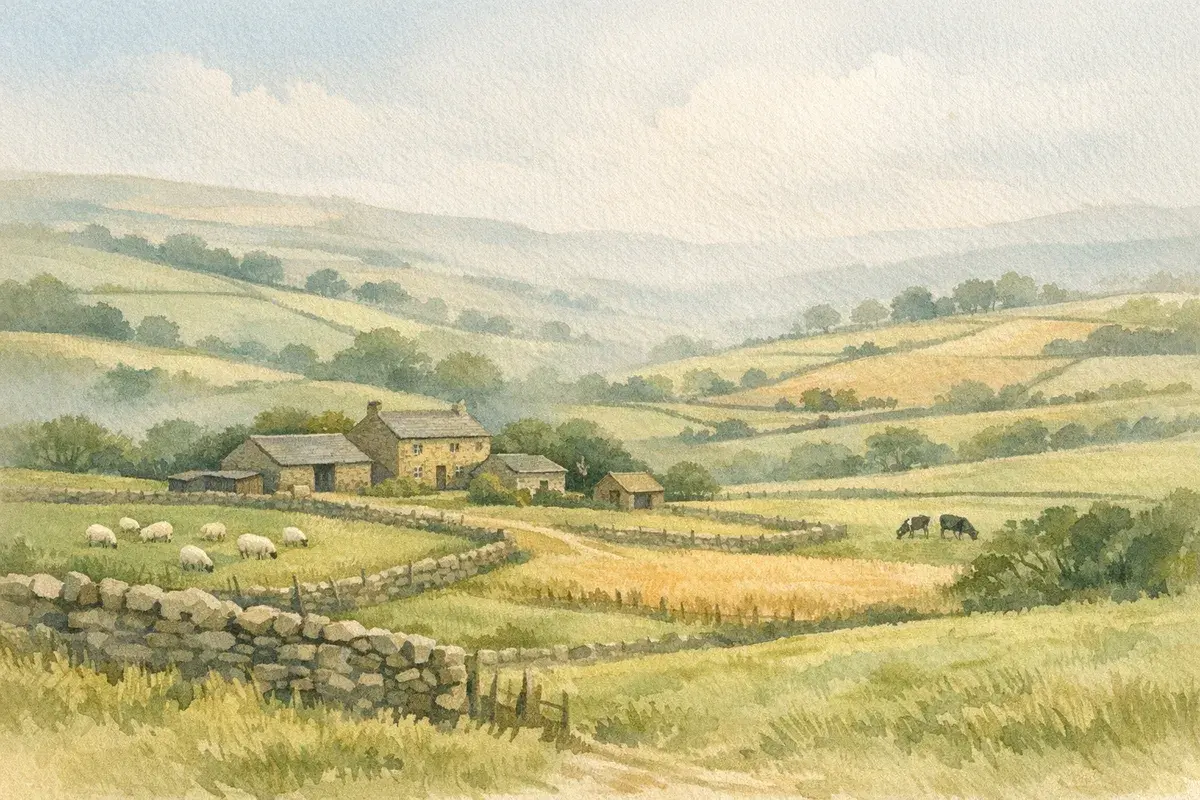
If you've ever tried to buy or sell rural land, you'll know the uncomfortable truth: agricultural property doesn't behave like the housing market.
Comparable evidence can be thin, buyers can be highly specific (neighbouring farmers, local investors, equestrian users, renewable operators), and the "real" issues often sit in the detail, rights of way, tenancies, drainage, access widths, wayleaves, entitlements, overage, planning history. Miss one and you don't just lose money: you can lose months.
That's why choosing the right agricultural land estate agents matters. You're not just hiring someone to "list" a field or farm, you're hiring a specialist to protect your position, find the right counterparties, and steer a complex transaction to completion without nasty surprises.
What An Agricultural Land Estate Agent Actually Does (And Why It Matters)
An agricultural land estate agent sits at the crossroads of land, law, farming practicality, and market psychology. Their job is part market-maker, part risk manager, part project manager.
In the UK, good specialists also understand how rural deals really get done: sometimes off-market, often via local networks, and nearly always with more moving parts than a residential sale.
Sales, Purchases, Lettings, And Farm Business Transfers
At the most basic level, agricultural agents help you:
- Sell: bare land, blocks of grazing, mixed arable units, livestock farms, estates, farmhouses with land, or diversified holdings
- Buy: source opportunities, interpret value, manage bidding strategy, and coordinate due diligence
- Let: arrange Farm Business Tenancies (FBTs), grazing licences, contract farming agreements (where appropriate), and manage renewal/exit discussions
- Support wider changes: farm business transfers, succession-related disposals, and restructuring land occupation (often alongside accountants and solicitors)
A specialist agent doesn't just "know what land is worth". They understand what kind of buyer will pay a premium (and why), and what issues will trigger a discount, or a walk-away.
If you're starting from scratch, it helps to know that rural agents can subscribe to AgLand county by county to see registered buyer demand, so the specialists you shortlist may already know exactly who is looking in your area.
Valuation, Marketing Strategy, And Negotiation In A Thin Market
Agricultural land often trades in a thin market: fewer transactions, bigger variance in motivations, and "special purchaser" premiums (for example, a neighbour who wants the block for scale, access, stewardship options, or to simplify boundaries).
A strong valuation isn't a single number pulled from a headline "£/acre" figure. It's a range, backed by:
- local comparable evidence (adjusted for access, shape, soil, tenure, and services)
- buyer type analysis (farmer, investor, lifestyle, equestrian, renewables, natural capital)
- a realistic view of what's bankable (what lenders will accept, what valuers will support)
Then comes marketing. In rural property, marketing isn't "more views = better outcome". It's about targeted exposure and controlling the process, timing, method of sale, information release, and negotiation leverage.
If you want a deeper read on what actually shifts the dial, the practical guide on marketing agricultural land for sale is worth a look, particularly around buyer profiling and how to avoid wasting the best early interest.
Coordination With Surveyors, Planners, And Tax Advisers
Here's the bit that's easy to underestimate: good agricultural estate agents coordinate.
A typical rural sale/purchase can involve:
- solicitors (often with rural property and title complexity experience)
- surveyors (for valuation, boundary issues, or condition)
- planners (for prior approvals, lawful development, diversification strategy)
- tax advisers (reliefs, structuring, VAT, SDLT, IHT implications)
- environmental consultants (habitats, protected species, contamination, water)
Your agent is often the only person who has an overview of the whole deal day-to-day. They keep momentum, translate specialist input into decisions you can act on, and head off the classic rural pitfalls: missing rights, uninsurable access, unclear service routes, or mismatched expectations about vacant possession.
When You Need A Specialist Agricultural Agent (Not A Generalist)
Some rural transactions are straightforward. Many aren't. The cost of getting the wrong agent usually doesn't show up as an obvious "mistake" at the start, it shows up as a deal that drifts, a price that quietly softens, or a buyer who pulls out late after discovering something that should have been dealt with upfront.
Farms, Bare Land, Smallholdings, And Lifestyle Blocks
A generalist estate agent can be perfectly capable at selling a house in a village. But land is different.
You need a specialist agricultural agent when any of the following applies:
- the value is driven by productive capacity (soil, drainage, access, cropping history)
- the buyer pool is technical (neighbours, local businesses, contractors, investors)
- the property has multiple elements (house + buildings + land + rights + income)
- you'll be asked detailed questions about boundaries, services, and occupation
Even "small" blocks can become complicated quickly: ransom strips, shared tracks, informal arrangements with neighbours, or a gateway that looks fine until you measure it and realise modern kit won't get through.
Development, Diversification, And Overage Scenarios
If there's development potential, either immediate or longer-term, you need someone who's comfortable discussing:
- planning history, constraints, and realistic routes forward
- overage/clawback and how to structure it
- splitting title (or not), and what that does to value
- promotion agreements vs straight sale (and the risks of each)
This is where inexperienced advice can cost you twice: once in the sale price, and again later if overage is drafted loosely or the strategy doesn't reflect how planning actually works locally.
Tenanted Land, AHA/FBT Issues, And Vacant Possession Risks
Tenure is one of the quickest ways to create a "looks fine on the brochure" situation that collapses under scrutiny.
If land is:
- let under an Agricultural Holdings Act (AHA) tenancy
- let under an FBT
- subject to grazing licences, contract farming, or informal arrangements
…you need an agent who understands not just the labels, but the practical consequences:
- What will a lender accept?
- Is vacant possession genuinely available, and on what timeline?
- Are there notices to serve, break clauses, compensation issues, or fixtures and fittings disputes?
- Will the buyer price in the risk of delay or litigation?
A specialist will also help you present tenure clearly and early, because surprises discovered late are where price chips and aborted deals come from.
How Agricultural Land Is Valued In Practice
If you're looking for a single formula for valuing farmland, you'll be disappointed. In reality, agricultural land value is a negotiation between productivity, scarcity, competition, and constraints.
A specialist agent's advantage is that they can translate "farming reality" into "market reality", and defend it.
Land Quality, Access, Services, And Practical Farming Constraints
Start with what the land can actually do.
Agents will typically assess:
- soil type and condition (structure, drainage, compaction risk, organic matter)
- topography (slope affects machinery, erosion risk, grazing utility)
- field size and shape (awkward triangles don't farm like rectangles)
- access (public highway access, track quality, width, turning)
- services (water supply, electricity nearby, drainage outfalls)
- practical constraints: overhead lines, telegraph poles, pipes, ditches, flood risk
A small detail can have outsized impact. A 12-metre gate might sound generous, until you're moving modern kit, or you've got a tight turn from a fast road, or the track is single-lane with no passing places.
Location Factors: Local Demand, Neighbouring Buyers, And Lotting Strategy
Two farms with identical acres can trade at very different levels because of who wants them.
Location influences value through:
- neighbour demand: if the boundary sits against an expanding local business, you may have a special purchaser
- local land supply: in areas with little turnover, scarcity alone can push pricing
- distance to existing base: farmers value "closeness" because it cuts time, fuel, and staffing headaches
- transport links and market access: not just roads, but practicality for livestock and contracting
Lotting strategy (how you split or package the property) is a proper lever. A specialist agent might recommend:
- offering the whole as one lot to capture operational buyers
- splitting into blocks to attract neighbours and smaller entrants
- separating residential from land (where it improves buyer fit)
But lotting can backfire if it creates access problems, awkward retained land, or undermines future development prospects. This is why the best agents sketch scenarios early, before marketing begins.
Entitlements, Schemes, And Income Streams That Affect Value
In 2026, UK buyers are still weighing income streams beyond pure farming margin. Depending on what applies, value can be affected by:
- existing tenancy income (and its security)
- renewable leases (solar/wind/telecoms) and their terms
- sporting rights and shoot income (where relevant)
- woodland and management prospects
- participation in Environmental Land Management (ELM) schemes in England (or comparable arrangements in devolved nations)
The critical point: buyers don't pay for vague potential: they pay for verifiable, transferable, contract-backed income. A specialist agricultural agent will push for clarity, copies of agreements, plan overlays, term sheets, because it reduces buyer uncertainty and strengthens price.
If you're operating in England and want a wider view of how values, due diligence, tenancies, and schemes interplay, AgLand's England-focused agricultural land guide provides useful context without pretending there's a one-size-fits-all answer.
The Selling Process Step By Step
Selling farmland or a farm is a process of de-risking in public. The more questions you answer upfront, the fewer excuses buyers have to re-negotiate later.
Preparing The Property Pack: Title, Plans, Wayleaves, And Rights Of Way
Before the "for sale" board goes anywhere near a gatepost, you'll want to get your paperwork in order.
A sensible property pack often includes:
- title documents and plan (and any unregistered land detail)
- clear boundary plan (especially where fences/hedges have drifted)
- access evidence: easements, shared track agreements, adopted/unadopted road notes
- rights of way (public footpaths/bridleways/byways) and how they cross the land
- wayleaves/easements for utilities (electric, water, gas, fibre)
- drainage and water supply notes (private supplies, boreholes, consents if relevant)
- any tenancy/licence paperwork
- schedule of what's included/excluded (gates, water troughs, fixed equipment)
This isn't admin for admin's sake. Rural buyers often instruct solicitors and surveyors quickly, and they will interrogate missing detail. If you're slow with answers, you lose momentum, sometimes fatally.
For a more complete walkthrough from "get ready" to completion, AgLand's step-by-step UK selling guide is a solid reference point (and it reflects the kinds of issues agents and solicitors actually raise).
Marketing Routes: Private Treaty, Informal Tender, And Auction
Choosing the sale method is one of the few strategic choices that genuinely changes outcomes.
Common routes include:
- Private treaty: flexible, familiar, often best for complex properties where negotiation is expected
- Informal tender: creates a deadline and encourages best offers, useful where you expect strong interest but want control
- Auction: can be effective for clear, uncomplicated lots, or where speed and certainty matter most
A specialist agent will recommend the method that fits the asset and the buyer pool, not the method that looks best on paper.
And a practical point: "off-market" doesn't mean "secret". It means targeted. A good agricultural agent can quietly test appetite with credible buyers (especially neighbours) before you commit to a public campaign.
Viewings, Offers, Due Diligence, And Exchange Timelines
Viewings for farmland aren't just a wander with wellies. Buyers will look at:
- access points and visibility
- drainage indicators (wet corners, rushes, outfalls)
- boundary features and maintenance liability
- proximity of houses, public paths, or sensitive neighbours
- evidence of management (or neglect)
Once offers come in, your agent should help you compare more than price:
- proof of funds or lender position
- buyer's timeline and conditions
- whether they understand tenure, rights, and constraints
- likelihood of swift solicitor engagement
In practice, exchange timelines are shaped by complexity. A clean title and good pack can keep things moving. A missing easement, unresolved boundary, or unclear occupancy can add weeks, or kill the deal.
The Buying Process Step By Step
Buying rural land is as much about avoiding the wrong purchase as it is about securing the right one. The smartest buyers you'll meet aren't the fastest, they're the clearest.
Setting Search Criteria: Acreage, Soil, Water, Buildings, And Planning Potential
Start with non-negotiables. It sounds obvious, but plenty of rural searches fail because the criteria are wishful.
Consider setting:
- a working radius from your base (or the labour/contractor base you'll rely on)
- minimum usable acreage (not just "headline" acres)
- soil type and suitability for your system
- water: mains, borehole, riparian rights, troughing practicality
- buildings: what's there, what's lawful, and what's realistically adaptable
- planning and diversification potential (with your eyes open about constraints)
If you'd rather the market came to you than wade through unrelated stock, you can register your requirements with AgLand and be alerted when land matching them is advertised.
Funding And Proof Of Position: Cash, Lending, And Bridging Considerations
Rural transactions can move quickly when the right block comes up, particularly if neighbours are interested. That means your funding needs to be more than "we'll speak to the bank".
In the UK, buyers often fall into:
- cash buyers (fast, attractive to sellers, but still need proper due diligence)
- bank lending (can be competitive, but valuation and security requirements can shape what you can buy)
- bridging (can provide speed, but cost and exit strategy must be watertight)
A good agent won't just ask for proof of funds as a box-tick. They'll help you present a credible position so vendors take your offer seriously, especially against a local neighbour with a reputation for completing.
Surveys, Environmental Checks, And Title Red Flags
Your due diligence should be proportionate, but not casual.
Common red flags in agricultural land purchases include:
- access that relies on "always has been used" rather than a documented right
- ransom strips or unregistered slivers at the entrance
- unclear responsibility for track maintenance
- public rights of way running through yards or sensitive areas
- existing occupiers, grazing arrangements, or storage uses with no paperwork
- wayleaves and easements with restrictive terms
- historic tipping, contamination risk, or drainage outfalls with disputes
Environmental checks can also matter depending on your plans, especially if you're considering diversification, change of use, or anything that could attract scrutiny.
The best approach is to run the deal like a project: get the critical questions answered early, and don't let "we'll deal with it later" become the story of your purchase.
Fees, Agency Agreements, And What ‘Good Value’ Looks Like
Fees aren't just a percentage: they're a reflection of workload, risk, and how much proactive effort your agent will put in.
In rural property, you can end up paying "cheap" fees for an expensive outcome if the process is mishandled.
Common Fee Structures And What They Typically Include
In the UK, agricultural land estate agents typically charge:
- percentage fees (often a % of sale price, sometimes with scale depending on value)
- fixed fees for smaller/cleaner lots
- retainers or upfront marketing contributions in some cases
What you should expect fees to cover (or at least be clear about):
- valuation advice and pricing strategy
- preparing particulars and maps (often with professional plans)
- buyer qualification and offer negotiation
- managing the timeline with solicitors and third parties
- regular reporting and feedback
Ask what's included in writing. Rural transactions have a habit of expanding in scope.
Sole Agency Vs Joint Agency Vs Multi-Agency: Pros And Cons
The right setup depends on how specialist the asset is and how wide the buyer pool needs to be.
- Sole agency: one agent leads: clearer accountability: often best when the agent has strong local reach
- Joint agency: can widen reach (for example, local strength plus a specialist angle): can work well if roles are defined
- Multi-agency: can create noise and duplicated enquiries: sometimes helpful for niche lifestyle property, but often reduces control
In farmland sales, control matters. Conflicting information from multiple agents is a quick way to scare off serious buyers.
Marketing Costs, Disbursements, And How To Avoid Surprises
Beyond fees, you may see disbursements such as:
- professional plans and mapping
- drone photography/video (useful for scale and access demonstration)
- EPCs for residential elements
- signage and brochure production
The key is transparency. A good agent will tell you what spend is optional, what's genuinely beneficial, and what's just "nice to have".
Thinking of selling? AgLand shows you how many registered buyers already match your land before you pay anything - no board at the gate, no commission, and your details stay private until a buyer asks to connect. Check your matches.
How To Vet An Agricultural Land Estate Agent Before You Instruct
Instructing an agent is a bit like choosing a machinery dealer: the product might look similar, but aftercare and judgement are what you remember.
Here's how to vet agricultural land estate agents in a way that protects you.
Credentials And Standards: RICS, CAAV, And Professional Indemnity
In the UK, the strongest signals of professionalism include:
- RICS membership (Royal Institution of Chartered Surveyors) for surveyors/valuers operating to recognised standards
- CAAV qualification (Central Association of Agricultural Valuers) as a common benchmark in rural practice
- professional indemnity insurance (PII): ask for confirmation and scope
Credentials aren't everything, but they're a baseline. They indicate training, standards, and accountability.
Local Track Record: Comparable Evidence, Buyer Network, And Deal Quality
Don't be shy about asking for specifics:
- recent comparable sales/lets in your area (and how they adjust for differences)
- the likely buyer profile for your land (neighbours? investors? lifestyle?)
- what enquiries they're already getting from registered buyers
- examples of similar deals they've taken through to completion
A strong agent should be able to tell you not just what sold, but how it sold and what nearly derailed it.
And ask about buyer networks in practical terms. In rural property, the best leads often come from relationships built over years, farmers who quietly want the next block, families planning succession, or businesses needing strategic acres.
Commercial Approach: Communication, Reporting, And Conflict Management
Finally, test how they operate day to day:
- How often will you get updates, and in what format?
- Who negotiates offers, and who covers viewings?
- How do they handle competing interests (for example, if they act for a neighbour)?
- What's their approach to qualifying buyers and filtering timewasters?
You want someone who can be friendly without being fluffy. Rural deals need polite firmness, especially when timelines slip or parties try to re-trade late.
If you're ready to shortlist, it helps to start in a place that's built around this exact market. AgLand is built around it: buyers register what they're looking for, and owners and subscribing agents advertise straight to the buyers who match, with no commission on either side.
Conclusion
Choosing between agricultural land estate agents isn't about picking the biggest brand or the slickest brochure. It's about finding a specialist who understands farming reality, can evidence value in a thin market, and will run a disciplined process, so you don't end up negotiating against yourself.
If you're selling, look for someone who de-risks early: tight paperwork, clear tenure position, a marketing route that fits the asset, and the confidence to defend price with evidence. If you're buying, prioritise clarity and diligence: define your criteria, get your funding story straight, and treat access/rights/occupation as deal-critical.
The best agents don't just "do deals". They keep you out of the traps that only show up when it's too late.
Disclaimer (AgLand.co.uk): AgLand.co.uk is a UK agricultural land and rural property matching service, where buyers register what they are looking for and owners advertise directly to the buyers who match, and a rural resource hub. Nothing in this text is intended as legal, financial, or investment advice. You should carry out your own due diligence and seek advice from appropriately qualified professionals (for example, solicitors, surveyors, tax advisers, and planning consultants) before making decisions.