
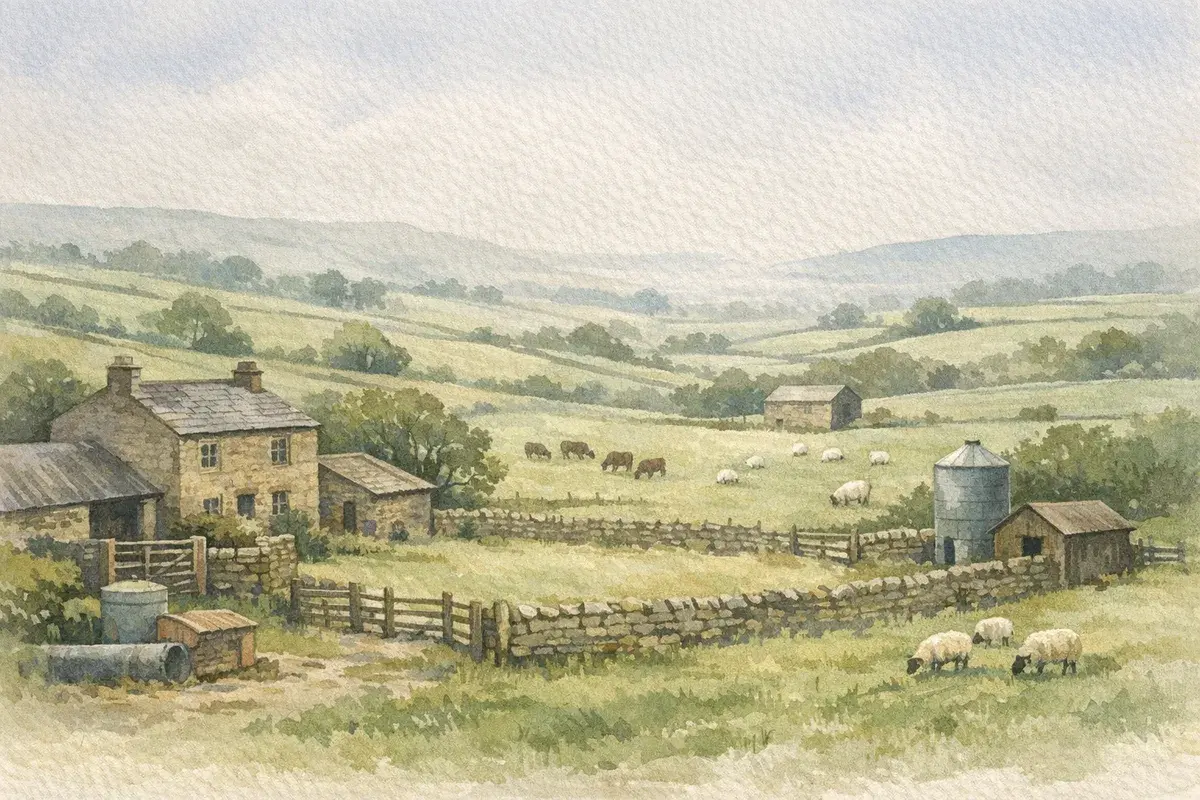
An FBT can look deceptively simple on paper: land, buildings, a rent, a term, and then you let the tenant "get on with it". In reality, your responsibilities as a landlord under a farm business tenancy sit at the intersection of contract law, property condition, rural health and safety, environmental rules, and day‑to‑day relationship management.
Get it right and you protect the asset, keep the tenant productive, and reduce nasty surprises at rent review or end of term. Get it wrong and small issues (a leaking roof, an unsafe yard, an unclear boundary ditch) can snowball into disputes, enforcement action, or expensive void periods.
This guide sets out what you're typically responsible for as an FBT landlord in England and Wales, what you can and can't push onto the tenant, and the practical systems that keep everything calm, documented and defensible.
What An FBT Is (And Why Responsibilities Differ From Other Tenancies)
An FBT is a business tenancy of agricultural land (often with buildings) granted under the Agricultural Tenancies Act 1995. It's designed to be flexible: you and your tenant can agree most terms commercially, rather than relying on a heavily prescribed statutory framework.
That flexibility is exactly why responsibilities can differ wildly between two "similar" farm lets. Under an FBT, the written agreement is king, but it doesn't erase every legal duty you carry as an owner/landlord.
If you want a deeper primer on how FBTs are structured in England and Wales, including common clauses that drive responsibility (repairs, schemes, improvements, compensation), use AgLand's step-by-step FBT guide for landlords and tenants when you're sense-checking your own terms.
FBT Vs Agricultural Holdings Act Tenancies
Before you rely on "what we did last time", be sure you're dealing with the right type of occupancy.
- Agricultural Holdings Act 1986 (AHA) tenancies are generally older arrangements with stronger security of tenure and a different balance of rights and obligations. Repairing standards and dispute processes often feel more formalised.
- FBTs (post‑1995) are typically newer, more flexible, and more commercial, meaning the burden shifts depending on what you agree.
If you're dealing with a mixed estate, succession issues, or a tenancy that has evolved over decades, it's worth revisiting whether you actually have an FBT or an AHA tenancy, because your assumptions about responsibility may be wrong. AgLand's explainer on the difference between an AHA tenancy and an FBT is a good starting point for that classification.
The Written Agreement: The Starting Point For Duties And Risk
The agreement is where you allocate who does what, repairs, insurance, water systems, boundary maintenance, slurry infrastructure, even who handles fallen trees after storms.
Two practical points landlords sometimes overlook:
- Ambiguity creates cost. "Tenant to keep in repair" sounds tidy until you're arguing whether a rotting lintel is "keeping" or "putting". The more you can define, the less you'll litigate.
- Some risks stay with you anyway. Even with a tenant-repairing lease, you can still face exposure if you've retained control of certain areas, you've supplied unsafe premises, or you've ignored a known hazard.
If you're drafting from scratch, start with a robust document and then tailor it. Many landlords also like to begin with a sensible baseline and edit down rather than build up. AgLand's FBT agreement template can help you sanity-check typical clauses and schedules (though you should still get bespoke advice for your farm).
Core Legal Duties Landlords Cannot Contract Out Of
Even under an FBT, you can't simply "contract out" of all responsibility. Some duties come from statute, some from common law, and some from the practical reality that you remain the asset owner and often the party with deeper pockets.
A useful mindset: your contract allocates maintenance: the law still cares about safety, nuisance, and compliance.
Repairs And Habitability: Landlord And Tenant Act 1985 (Where It Applies)
The statutory repairing duties in section 11 of the Landlord and Tenant Act 1985 do not apply to a farm business tenancy, even where it includes a farmhouse. Repairs to the house depend on what the agreement says.
But, farms aren't always "pure":
- A cottage let on its own as someone's home, rather than as part of the farm tenancy, has been covered by the Renters' Rights Act 2025 since 1 May 2026, which ended fixed-term assured shorthold lets and section 21 notices.
- If staff accommodation or ancillary residential occupation forms part of the arrangement, different standards and enforcement routes can apply.
In practice, if there is any residential element, you should treat the dwelling as a separate risk category: clear repairing covenants, documented inspections, and prompt response to reported defects.
Health And Safety: Duty Of Care To Tenants, Workers, And Visitors
Even when the tenant is running the farming operation, you can still owe duties relating to the condition of premises and the safety of anyone who may be affected.
Think in terms of foreseeable harm:
- Defects you know about (or should know about): unstable roofs, unsafe yard surfaces, crumbling silage clamps, exposed services, or a derelict building that "everyone avoids" until someone doesn't.
- Areas you retain control over, such as shared access tracks, retained buildings, or yards you use occasionally.
- Third-party visitors, including delivery drivers, inspectors, contractors, and members of the public where there are permissive paths or public rights of way.
A pragmatic landlord approach is to treat safety as a shared system: you set baseline asset safety, the tenant manages operational safety, and you both keep records.
Utilities, Fuel, And Electrical Safety: What's Expected On Rural Lets
Rural property can come with private services and "non-standard" setups, exactly where disputes start.
As landlord, you should be clear about:
- Who owns and maintains private water supplies, pumps, and pipework, especially where multiple buildings are fed.
- Private drainage and septic systems, including emptying schedules and what happens after heavy rainfall or system failure.
- Electrical installations in let buildings (and any retained/landlord-supplied installations). If the tenancy includes a house the tenant lives in, treat it as a rented home for safety checks: an annual gas safety check, and an electrical inspection at least every five years.
- Fuel tanks (oil/diesel), bunding and location, because contamination incidents can get expensive quickly.
In short: if the tenant pays the bills, that doesn't automatically mean the tenant carries the legal and practical risk of unsafe systems you provided at the start.
Repairing Obligations In Practice: Who Maintains What On A Typical Farm Let
Most FBT arguments don't start with big legal principles. They start with a blocked culvert, a gate off its hinges, or a roof that's "been like that for years". The fix is usually a clear repairing schedule backed by a schedule of condition and a simple reporting process.
Below is how responsibility is often split in practice, but your agreement may (and should) state the actual allocation.
Buildings, Fixed Equipment, And Infrastructure
Common patterns you'll see:
- Landlord: structural elements of older buildings (walls, main timbers), replacement of end-of-life roofing on traditional barns, major renewals of fixed equipment where the tenant hasn't caused damage.
- Tenant: day-to-day repairs (broken sheets, minor leaks, gutters), keeping buildings wind and watertight, routine maintenance of doors, rollers, and fittings.
Where landlords get caught out is "implied assumptions". If a building is described as a general-purpose shed but it's actually being used for higher-risk storage (fertiliser, chemicals, high-value machinery), you may want tighter provisions on maintenance standards, fire precautions, and what alterations are permitted.
Fences, Hedges, Ditches, Gates, Tracks, And Drainage
Boundary and access obligations are rarely glamorous, but they're the stuff of neighbour disputes and tenancy-end dilapidations.
Typical allocation:
- Tenant: routine boundary fence repairs, gate furniture, hedge trimming (subject to wildlife law and cutting seasons), keeping ditches clear where necessary for normal drainage.
- Landlord: major renewals (for example, replacing long runs of fencing at end-of-life), addressing long-standing drainage failures caused by historic design rather than tenant neglect, and repairs to retained accessways used by other parties.
Two practical tips:
- If there's a watercourse, be careful about who is the "riparian owner" and what that means in practice.
- Put maps and responsibilities in the tenancy pack. "The ditch by the bottom field" means different things to different people after three wet winters.
Water Supply, Private Drainage, And Environmental Compliance
Private systems are common in rural lets and can be a hidden liability.
Be explicit about:
- Testing and maintenance of private water supplies (and what happens if tests fail).
- Responsibility for septic tanks/package treatment plants, including servicing and de-sludging.
- Compliance duties tied to pollution prevention, such as keeping dirty water separate, maintaining yard drains, and ensuring any outfalls are lawful.
Even if the tenant has day-to-day responsibility, you should still care because the underlying asset (land, groundwater, nearby watercourses) is yours. If something goes wrong, the clean-up cost doesn't politely stop at the tenancy boundary.
Compliance In The Real World: Safety, Environment, And Statutory Controls
Compliance is where "landlord responsibilities farm business tenancy" becomes real rather than theoretical. Regulators and insurers won't be impressed by a vague clause that says the tenant will "comply with all legislation" if the site has known, unmanaged risks.
Asbestos, Legionella, And Fire Safety In Farm Buildings
Older farm buildings often come with legacy materials and ad-hoc conversions. Three recurring compliance areas:
- Asbestos: Common in older roofing sheets and wall panels. If you have asbestos-containing materials, you'll want them identified, their condition recorded, and a plan for management. If you've retained control of certain buildings, your obligations become more direct.
- Legionella: Risk can arise in water systems, especially where buildings sit empty for periods or there are long pipe runs. If you provide the water system, you should be comfortable that the system isn't an unmanaged hazard.
- Fire safety: Agricultural buildings aren't "fire-free zones". Electrical faults, machinery charging, and stored materials can create real risk. Your tenancy can (and should) control what's stored where, what alterations are allowed, and what the tenant must do to manage fire risk.
A sensible landlord approach is to document the baseline condition at the start, agree operational controls with the tenant, and then revisit periodically, especially if use changes.
Waste, Slurry, Silage, And Pollution Incidents: Landlord Exposure And Controls
Pollution incidents are one of the fastest routes from "small issue" to "six-figure headache". Even if the tenant is the operator, as landlord you should still treat high-risk infrastructure as an asset-protection priority.
Controls you can build into an FBT:
- Written rules on slurry/silage clamp use, maintenance and minimum standards.
- Provisions on bunding and tank integrity, and notification requirements if anything leaks or fails.
- Clear responsibility for yard drainage, clean/dirty water separation, and outfalls.
And because farming models change, keep an eye on intensity. A light grazing tenant may later run a more intensive unit: your risk profile changes, so your documentation should keep up.
Protected Sites And Constraints: SSSI, Scheduled Monuments, And AONBs
If the holding includes constraints, SSSI land, scheduled monuments, listed buildings, or sits within a National Landscape (AONB) or National Park, you can't treat the tenancy as "normal farming, normal freedoms".
As landlord, you're often the party best placed to:
- Provide the tenant with constraint information upfront (designations, consents, management plans).
- Control higher-risk activities through consent clauses (cultivation, drainage works, tree works, fencing changes, track creation).
- Make sure the tenant's activities don't accidentally breach consents and land you with reputational and financial fallout.
In other words: don't just dump the risk onto the tenant and hope. You want the tenant to succeed, but within the guardrails that protect the asset and keep you both out of trouble.
Insurance, Risk Allocation, And Protecting The Asset
Insurance is one of those topics everyone thinks is "sorted" until there's a claim and the insurer starts asking uncomfortable questions.
The trick is to align: (1) what your tenancy says, (2) what your insurance policy actually covers, and (3) what the tenant's policy covers, without gaps.
Buildings And Public Liability Insurance: What The Landlord Typically Covers
On many FBTs, you (as landlord) typically insure:
- Buildings you own (especially if you want control over reinstatement and choice of contractor).
- Property owner's liability for risks linked to ownership/retained areas.
But you'll often expect the tenant to carry public liability and operational cover for their farming activity.
A key practical point: if the tenant is occupying buildings that are old, non-standard, or partially derelict, your insurer may apply conditions (surveys, exclusions, security requirements). Those conditions need to be reflected in how the tenant uses the buildings, or you're paying for cover that won't respond.
Tenant Insurance Requirements And Evidence You Should Ask For
If your FBT requires tenant insurance, make it actionable:
- Specify minimum cover levels (public liability, employer's liability if applicable).
- Require evidence on renewal (not just at the start).
- Clarify whether the tenant must note your interest or include a waiver of subrogation (your broker can advise on what's realistic).
This isn't about being awkward. It's about ensuring that if the tenant's activity causes a loss, there's a viable route to recovery that doesn't immediately become a landlord–tenant war.
Recording Condition: Schedules Of Condition And Photographic Inventories
If you do one thing to reduce disputes, do this properly.
A strong condition record should include:
- A written schedule for each building and key infrastructure.
- Date-stamped photos (and ideally a simple plan showing what's photographed).
- Notes on known defects and what is not being warranted as "in repair".
This protects you on dilapidations, protects the tenant from being blamed for historic problems, and gives both of you a shared reference when something deteriorates.
It also supports smarter budgeting: you can plan major renewals (roofing, concrete yards, tracks) on an asset basis rather than in a panic at lease end.
Rent, Reviews, And Financial Administration Responsibilities
As landlord, your "financial admin" isn't just collecting rent. It's making sure the rent mechanism is clear, reviewable, and enforceable, without souring the relationship.
Setting Rent And Managing Reviews Without Creating Disputes
Farm rents are context-heavy. Stocking rates, building quality, water, access, entitlements, and local demand all matter.
To avoid disputes:
- Define the review basis clearly (open market, indexed, stepped rent, hybrid).
- Set a timetable (notice dates, evidence exchange, negotiation period).
- Agree a dispute route (often independent expert/arbitration) before tempers flare.
If you're relying on statutory rights and processes, make sure you're grounded in the right framework. The Agricultural Tenancies Act 1995 is the foundation for FBTs in England and Wales, and AgLand's overview of the Farm Business Tenancy Act 1995 framework is useful when you're checking what sits in statute versus contract.
VAT, Service Charges, And Recoverable Costs In Rural Tenancies
VAT on farm rents and charges can be a nasty surprise if it's not dealt with clearly.
Common issues include:
- Whether you've opted to tax and whether rent is VATable.
- What counts as a recoverable cost (for example, shared track maintenance, private water system servicing, tree safety works).
- How you evidence costs and how often you reconcile.
The landlord responsibility here is clarity and paperwork. If you want the tenant to pay, the mechanism needs to be explicit and auditable.
Dealing With Arrears: Proportionate Enforcement And Documentation
Arrears happen, weather, market swings, disease pressures, you name it. The key is to handle it in a way that preserves your legal position.
Good landlord practice:
- Don't rely on informal texts and assumptions. Confirm arrears and arrangements in writing.
- Keep a clean rent ledger and document any concessions as time-limited.
- If you're considering forfeiture or termination, take advice early so you don't accidentally waive rights.
You're balancing firmness with realism. A tenant who is otherwise competent but temporarily cash‑tight may be worth keeping: a tenant who is evasive and disorganised is usually signalling bigger problems.
Access, Inspections, And Managing The Landlord–Tenant Relationship
An FBT landlord who never visits is often a landlord who gets a shock later. But an FBT landlord who visits too often (or turns up unannounced) can create distrust and operational disruption.
The sweet spot is planned access, documented inspections, and communication that feels professional rather than intrusive.
Entry Rights, Notice Periods, And Emergencies
Your tenancy should set out when you can enter:
- planned inspections
- to carry out landlord works
- in emergencies (for example, major water leaks, structural collapse, suspected pollution incident)
If your agreement is light on detail, don't improvise. Entry rights are one of the easiest ways to trigger conflict.
Also remember the bigger picture: your end-of-term plan (or any mid-term break) depends on you serving notices correctly and on time. If you need a refresher on how timing works, AgLand's guide to FBT notice periods in practice is a solid reference point.
Inspections, Records, And Communication Cadence That Prevents Problems
A workable inspection system usually looks like:
- Baseline: schedule of condition at commencement.
- Routine: annual or twice-yearly inspections (seasonally sensible, after winter is often revealing).
- Triggered: extra visits after major events (storms, flooding) or when the tenant changes use (new enterprise, new storage, building alterations).
Write up each inspection in plain language: issues found, who is responsible (with a clause reference if needed), and a realistic timescale.
Contractors, Biosecurity, And Minimising Operational Disruption
If you're sending contractors onto a working farm, you have responsibilities beyond "get the job done".
You should:
- Coordinate timings with the tenant (lambing, harvest, TB testing, pick your battles).
- Respect biosecurity. Contractors turning up after visiting other livestock farms can be a genuine risk.
- Be clear who is supervising and who is responsible for making the area safe.
A small but meaningful point: good landlords warn the tenant early, share RAMS if relevant, and don't treat the farm like an empty industrial unit. It isn't.
End Of Term Responsibilities: Dilapidations, Yielding Up, And Re-Let Readiness
Most end-of-term disputes aren't about one dramatic breach. They're about mismatched expectations: what you thought you let, what the tenant thought they took on, and what "good repair" means after years of hard use.
If you plan for the end at the beginning, you massively reduce stress (and costs) later.
Termination Routes, Notices, And Break Clauses
FBTs of two years or less end on their end date. Longer terms end only if 12 months' written notice was given, otherwise they carry on from year to year. FBTs can also end by break clause, surrender, or termination for breach, depending on what you agreed.
Your landlord responsibilities here are procedural:
- Serve the correct notices, correctly, to the right address, within the right timeframe.
- Follow the break conditions precisely (if there are any).
- Keep written evidence, because if it ends up disputed, memories won't be your friend.
If you're contemplating ending an agreement, don't wing it. AgLand's guide to terminating an FBT properly lays out the typical routes and pitfalls landlords hit when they try to "keep it informal".
Dilapidations Claims, Set-Offs, And Evidence Standards
Dilapidations in an FBT context are basically your claim that the tenant hasn't met their repairing/yielding up obligations.
To keep it fair and defensible:
- Rely on the tenancy wording and the schedule of condition.
- Separate wear and tear (often unavoidable) from breach.
- Price works realistically and be prepared to justify why a full replacement is necessary versus repair.
You'll often get further by being specific than by being aggressive: a clear schedule of alleged breaches, supporting photos, and quotes.
Reinstatement, Fixtures, And Tenant Improvements
Tenants improve holdings, sometimes brilliantly, sometimes… enthusiastically.
Your responsibilities are to:
- Decide, in line with the tenancy, what improvements require consent.
- Document consents in writing (including conditions: specification, who maintains, reinstatement requirements).
- Manage reinstatement at the end (what stays, what goes, what compensation applies).
A practical reality: if the improvement increases the letting value and is safe/compliant, landlords often choose to keep it, provided ownership and maintenance responsibility are crystal clear going forward.
And if you're re-letting, your end-of-term plan should include: making safe, marketing readiness, clarity on what's included, and a realistic works programme so you don't lose months to avoidable void time.
Conclusion
Being an FBT landlord isn't just about "having a good tenant". It's about setting the tenancy up so responsibilities are unambiguous, compliance is managed (not assumed), and the asset is protected year after year.
If you want the simplest operating principle, it's this: document the starting condition, allocate responsibility precisely, inspect regularly, and keep a paper trail that would make sense to an independent third party. Do that, and most issues stay small, and solvable.
Disclaimer: AgLand.co.uk is a UK agricultural land and rural property matching service, where buyers register what they are looking for and owners advertise directly to the buyers who match, and a rural resource hub. Nothing in this text is intended as legal, financial, tax, or investment advice. You should carry out your own due diligence and take advice from suitably qualified professionals (for example, a rural solicitor, chartered surveyor/land agent, accountant/tax adviser, and specialist environmental or health & safety consultants) for your specific circumstances.